
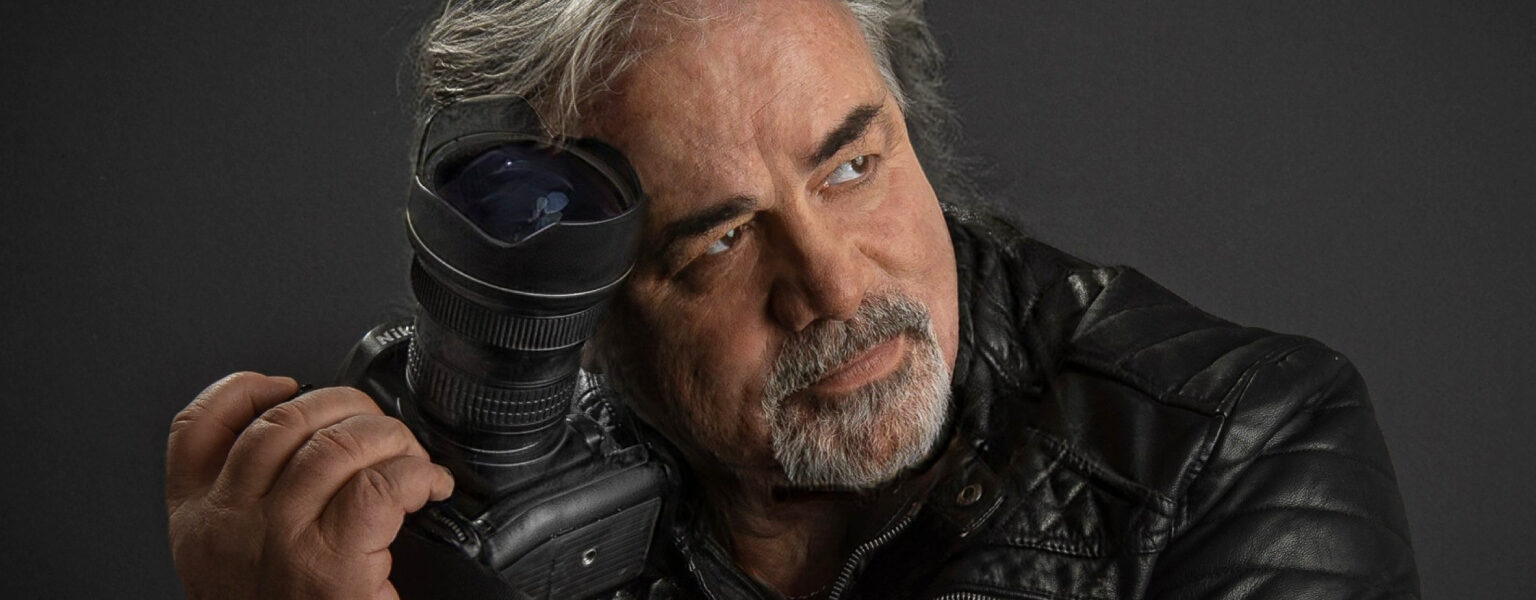
You don’t have to go somewhere new to discover something new. Sometimes, all it takes is three steps back. Heinrich Malojer knows these moments well.
“Sometimes I’m walking through Tramin and suddenly take three or four steps back because I’ve noticed something I had never seen before.”
Perhaps this sentence already says everything about Heinrich’s approach to photography. For him, taking photographs does not simply mean pointing a lens at something. It means observing. And sometimes, looking a second time.
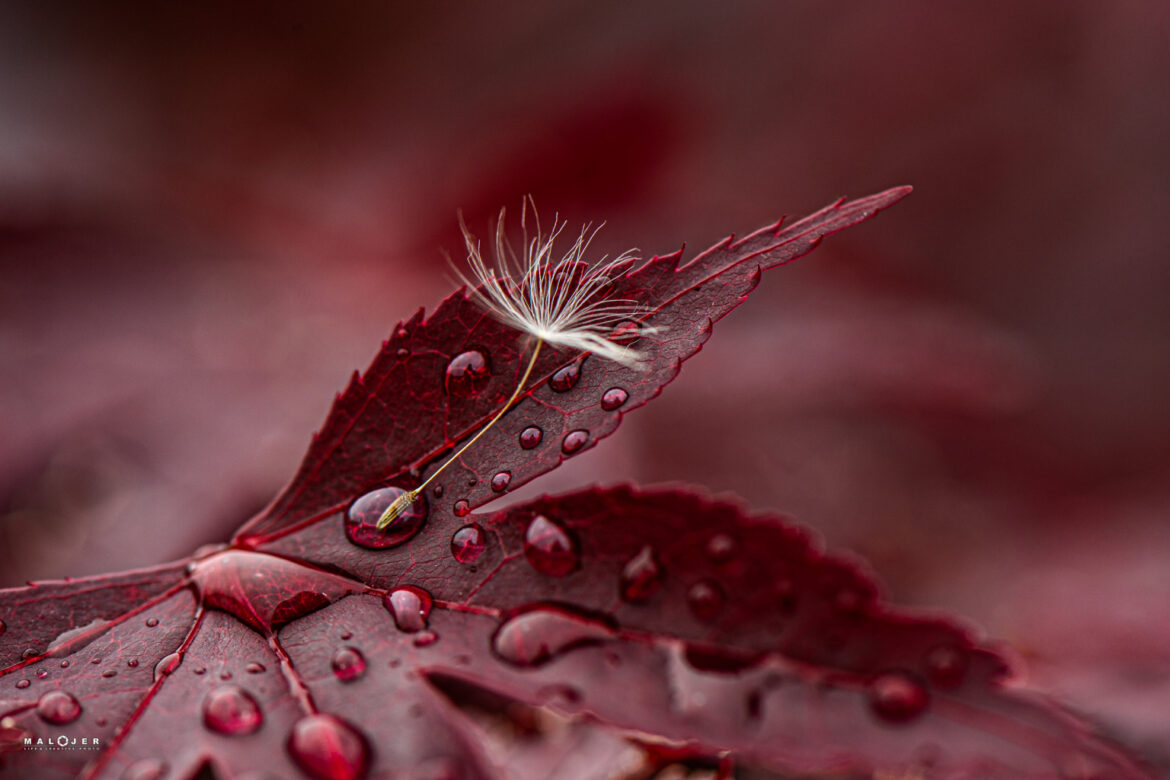
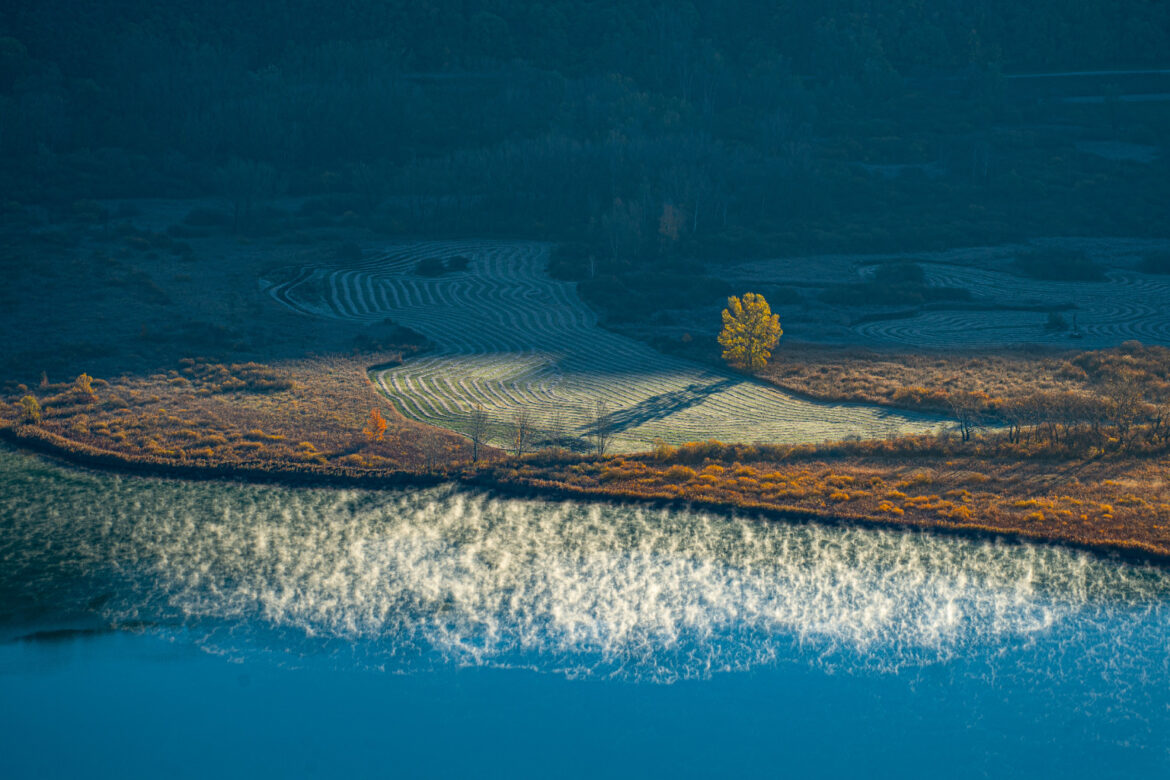
In his images, a single tree becomes the centre of a landscape, drops of water on a leaf turn into a tiny world, and a face suddenly tells a story that might otherwise have gone unnoticed at first glance.
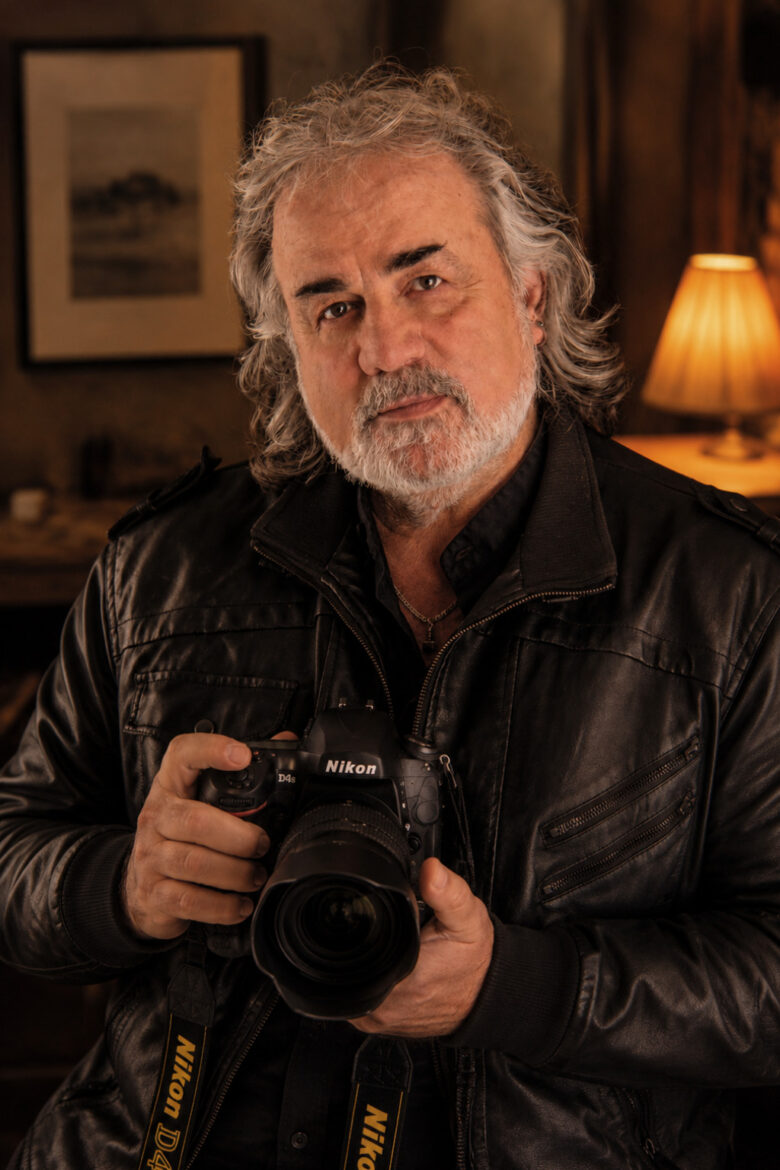
Heinrich grew up just a stone’s throw from Lake Kaltern. One childhood memory has stayed particularly vivid: as a boy, he would walk out onto the jetty, let the reeds slide through his fingers and watch the rising sun reflected on the gentle ripples of the water.
Back then, he knew nothing about apertures, exposure times or photographic composition. But perhaps it was there that he had already learned the most important thing: how to look.
At around the age of ten, his father gave him his first camera, an old second-hand Agfa Silette. At the time, every photograph cost money and every roll of film had to be developed. Later, with the first money he earned himself, Heinrich was finally able to finance his passion. Cameras changed, and eventually digital photography arrived.
The fascination, however, remained the same.
Photography is not the only way Heinrich expresses his creativity. Ever since he was a child, he has loved painting and writing. In the fourth grade, he wrote in a school essay:
“The prince kissed the girl; she was as beautiful as the sun at first light.”
His teacher was so surprised that she spoke to his mother about it. Today, Heinrich recalls the episode with a smile: perhaps there might have been a second J. M. Simmel if someone had encouraged him a little more back then.
What continues to fascinate him is the way photography can freeze a moment, while at other times he feels the desire to preserve an impression through words. For him, the two complement each other perfectly.
Writing, in fact, has never left him.
Even today, every year Heinrich retreats for one or two weeks to an isolated mountain hut. He does not need much.
Camera. Pen. Notepad.
Perhaps sometimes it is precisely this kind of quiet that is needed in order to see again what everyday life so easily allows to go unnoticed.
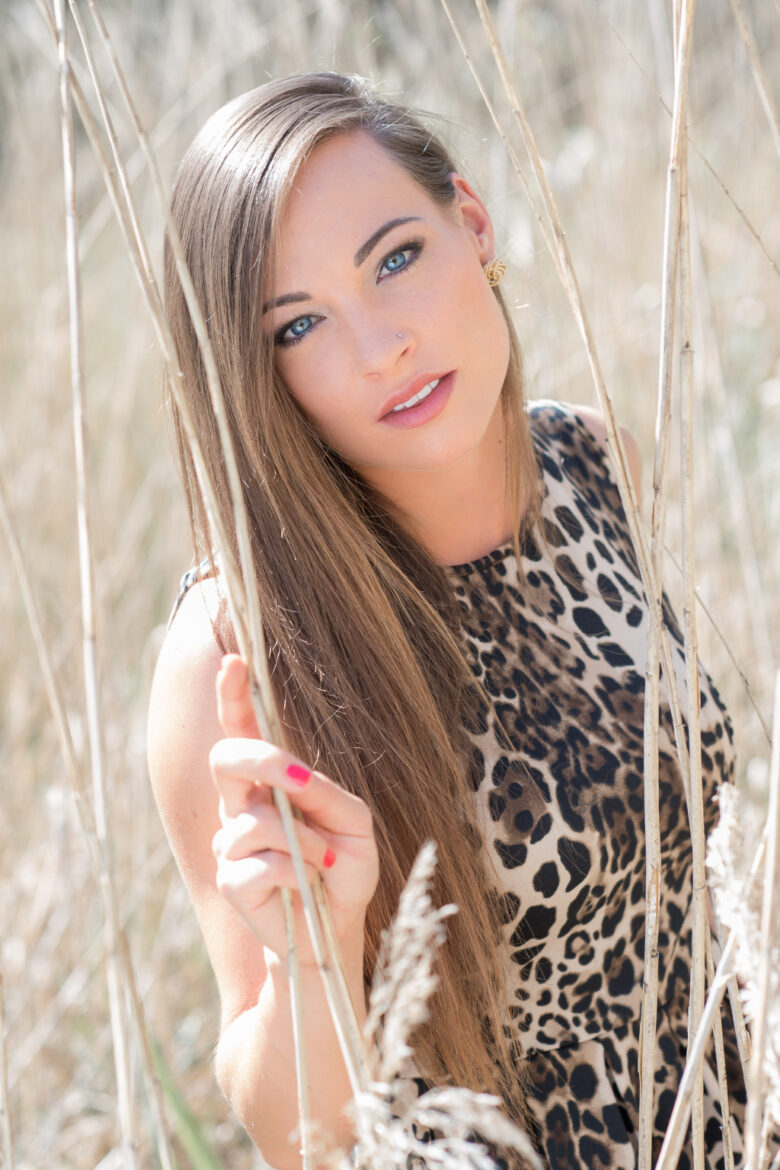
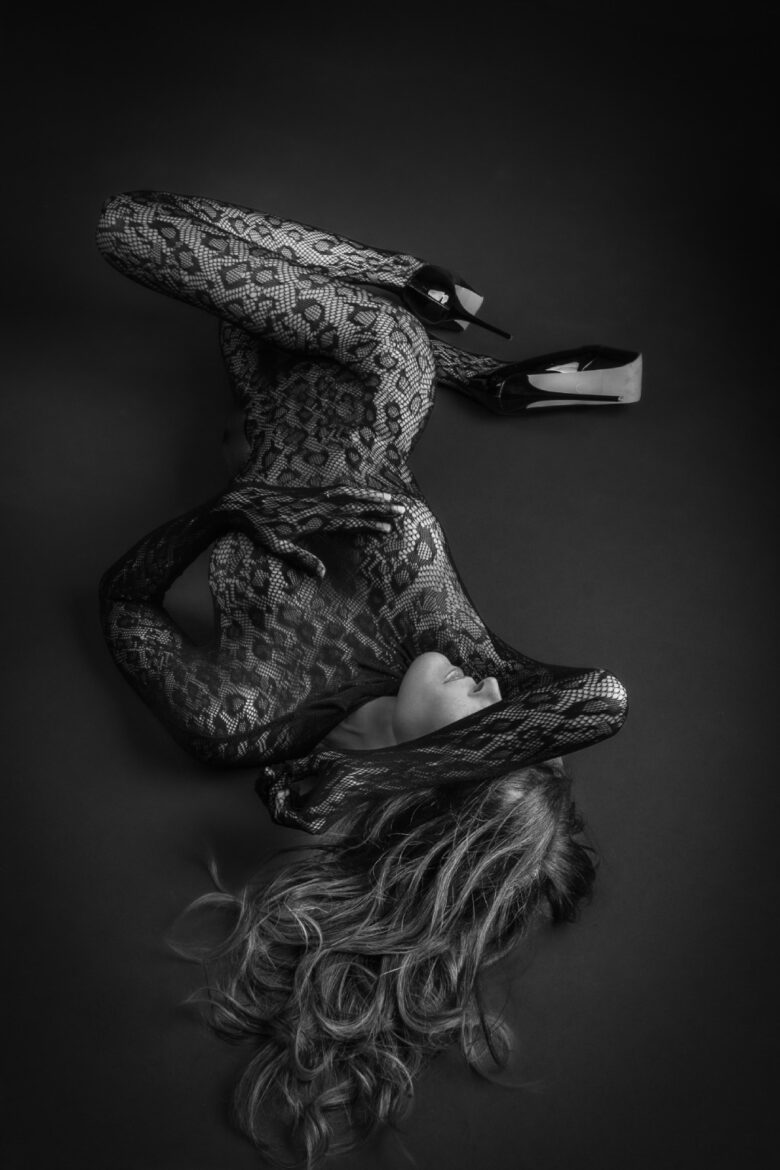
Heinrich particularly enjoys photographing people. But what he is looking for is not perfection: it is the person, with their authenticity and individuality. And sometimes the most beautiful moments do not even happen while he is taking a photograph.
For one of his 2023 photographic series, Heinrich approached several well-known people from Tramin directly in the street, briefly pulling them out of their everyday routines and persuading them to follow him to his studio in the cellar. There, he created black-and-white portraits.
No make-up. No retouching. Authentic. Heinrich is looking precisely for what is “unusual and unique” in a person.
While preparing for one of these portraits, one of his subjects suddenly began talking about the past. The place outside Heinrich’s studio had awakened memories of his childhood, of Heinrich’s grandfather and of village life in earlier times.
What had begun as a photography appointment became a small piece of Tramin’s history. Looking back, Heinrich thought that perhaps he should have kept a recorder next to his camera as well.
Even in glamour and nude photography, what he seeks is not simply the body, but naturalness, aesthetics and personality. Light, shadow, form and, above all, trust play a fundamental role. For Heinrich, a good nude photograph should be discreet, sensual and almost poetic.
“Even in a nude photograph, what I am looking for is the person: their naturalness, their personality and the beauty created by the interplay of light and form.”
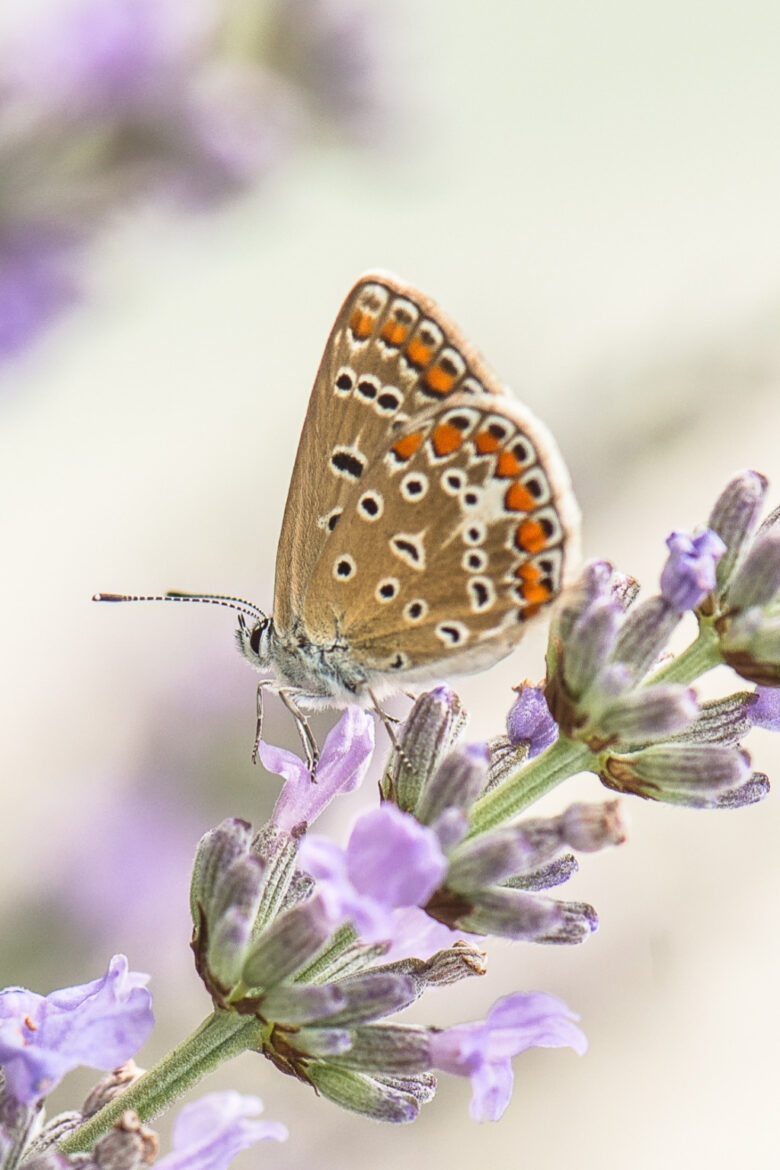
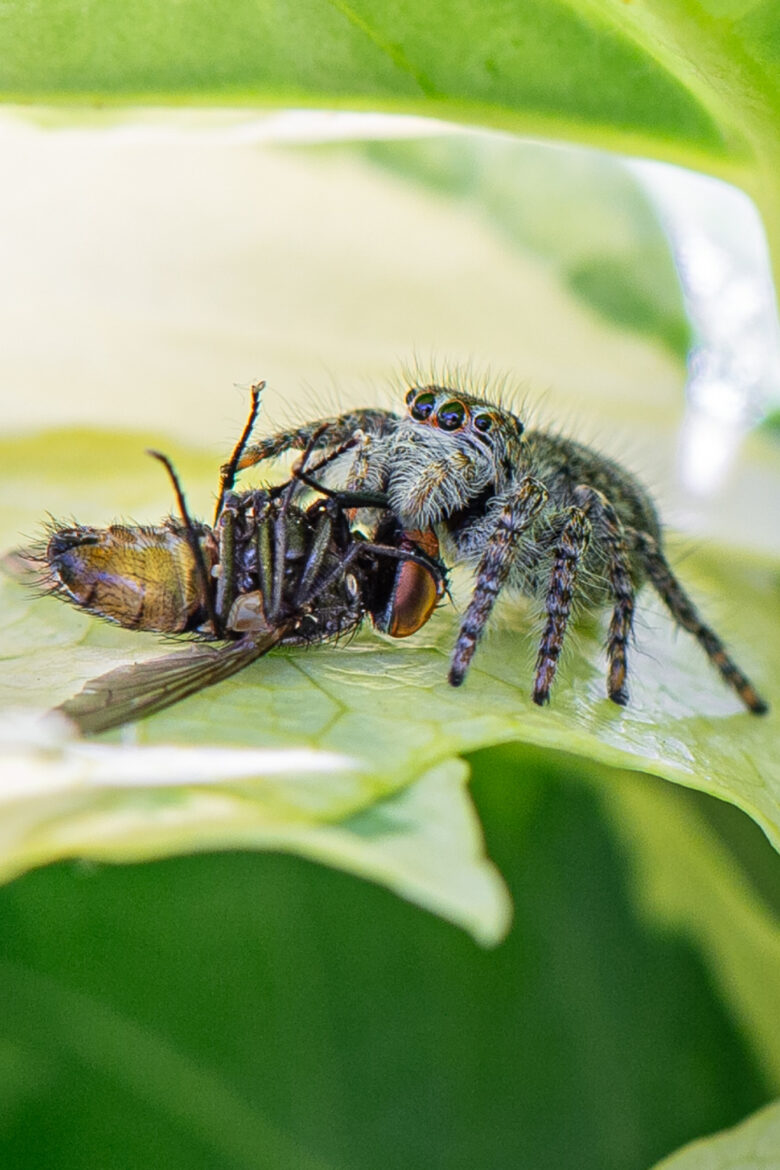
Nature has accompanied Heinrich since the very beginning of his passion for photography. And often there is no need to go far to find a subject.
After his morning coffee, he takes his macro lens, goes out into the garden and looks around:
“Where is something moving? What will I discover today?”
A spider, a grasshopper, a butterfly, a leaf or a drop of dew: what might escape a distracted glance becomes the main character through his lens. And if the subject decides to settle on the other side of the fence? Well, Heinrich may suddenly find himself in his neighbour’s garden, camera in hand.
But whether a photograph has succeeded is not determined by technique:
“My favourite subject is the one that makes me smile when I look at it later on the screen.”
“Of course, I’m pleased when my photographs are shown to the public. Over the years, I’ve had the opportunity to work on many interesting projects: calendars, images for various websites and photo shoots with top-level athletes. For a time, I also photographed the regional Miss Italia selections.”
But more than recognition, Heinrich is proud of the stories that have grown out of his photographs. Stories that, in their own small way, changed something and perhaps made the world a little better.
A pharmacy employee whom he invited to a photo shoot around ten years ago, and later encouraged to enter the Miss South Tyrol competition, eventually became Miss South Tyrol 2016. Another woman gained new attention thanks to the visibility generated by his photographs and was later elected Törggelen Queen of the Eisack Valley.
Experiences like these remind him that something unexpected can grow out of a photograph—something that no one could have predicted at the moment the shutter was pressed.
Today, more photographs are taken than ever before. Smartphones, filters and artificial intelligence have profoundly changed our relationship with images. Heinrich watches these developments with interest, but also with a certain degree of caution, especially when what we see moves further and further away from reality.
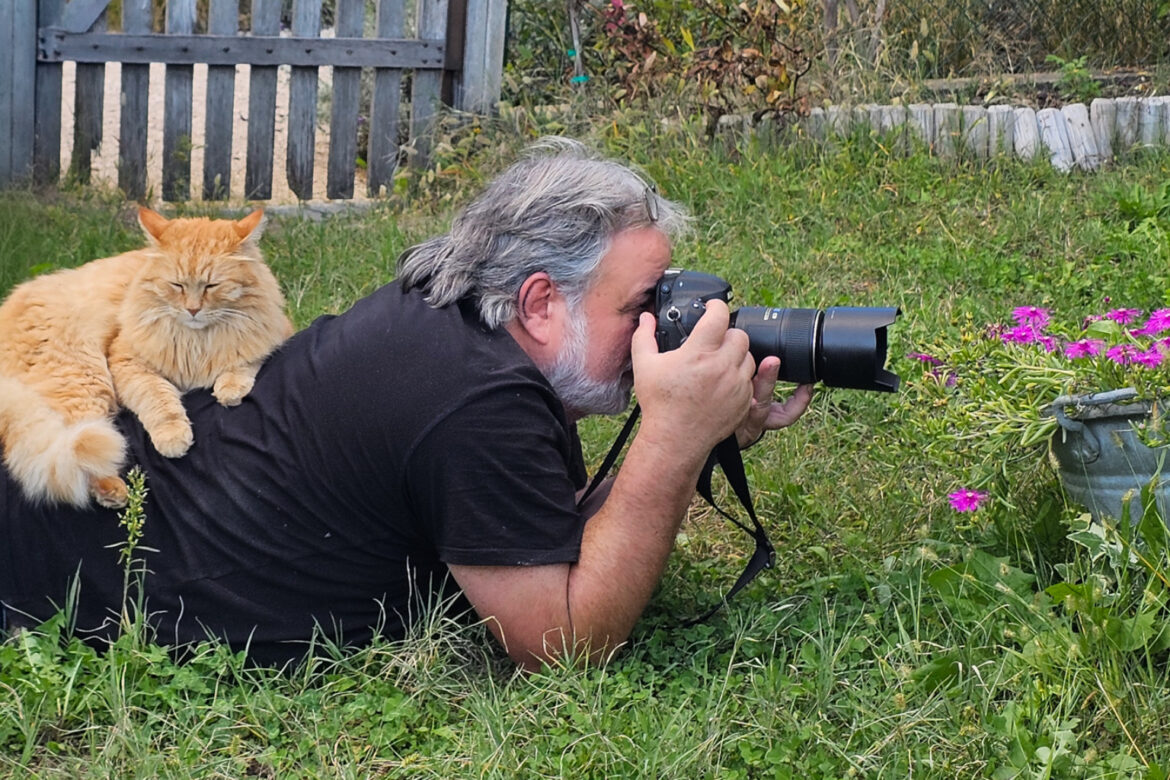
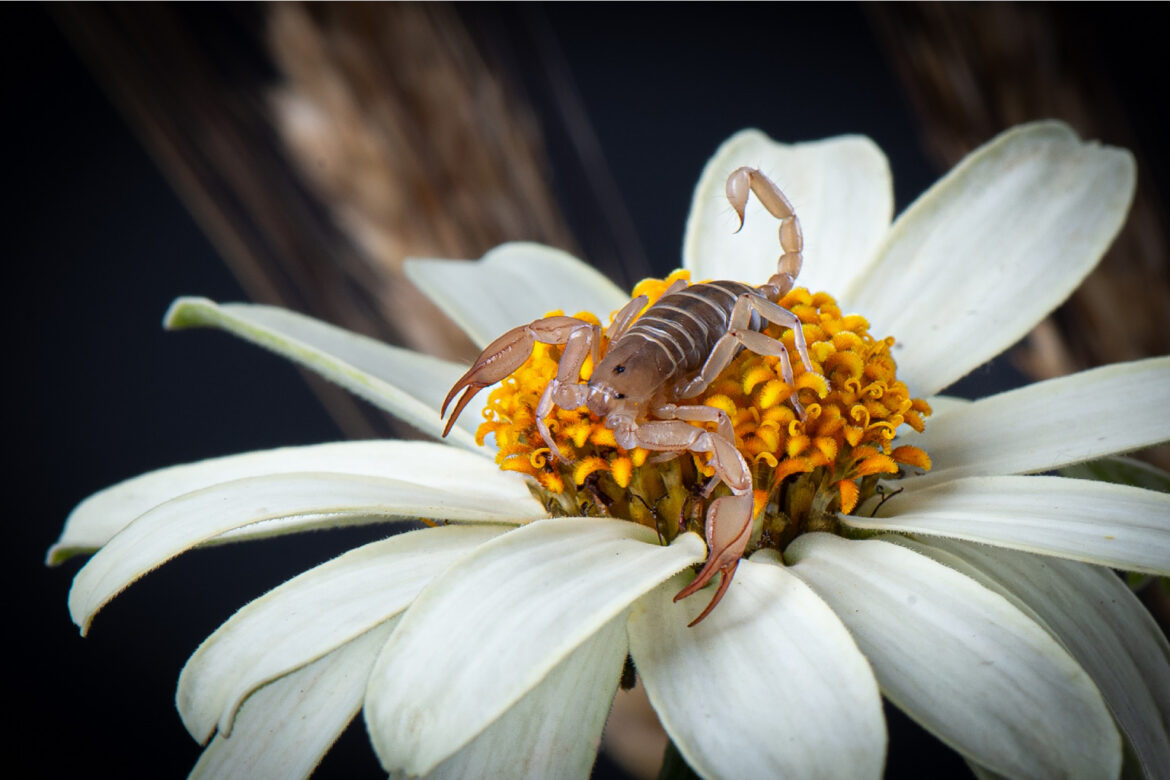

And that is precisely why one thing becomes even more valuable to him: a personal way of seeing. Something no technology can replace.
It is not about producing as many images as possible, but about discovering something. Capturing a moment capable of stirring an emotion, awakening a memory or simply bringing a moment of joy. Heinrich explains:
“Often, I can already see the finished photograph in my mind before I even take it. It’s a bit like a puzzle: in the end, all the pieces have to fit together.”
Inspiration can come from practically anything. An old dusty pewter plate, a pocket watch and a pair of old glasses can suddenly become a subject. And that is where the real work begins: light, shadow, shapes and colours must find their balance and come together to create a harmonious image.
As long as photography continues to bring him joy, Heinrich wants to keep doing exactly this:
“To capture the beauty of this world in a photograph.”
And to do that, sometimes you do not have to go far.
A garden in the morning may be enough.
A familiar face.
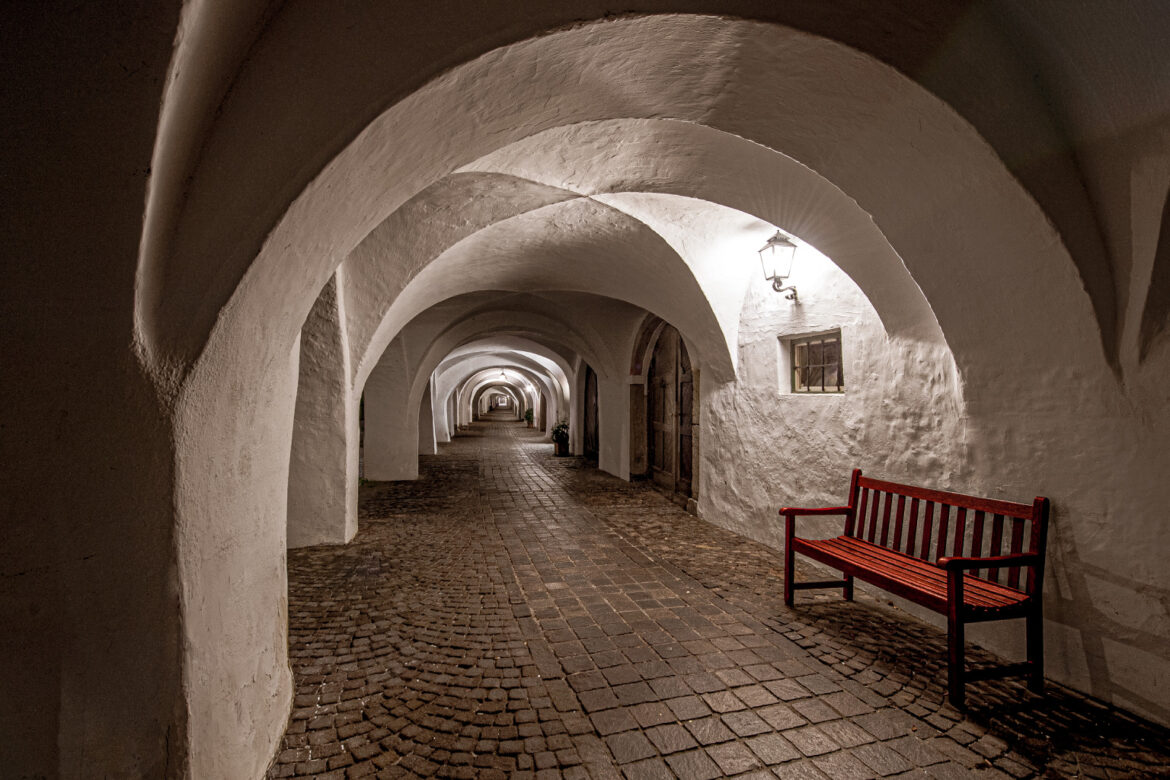
A corner of Tramin.
Or three steps back.
To discover something we were just about to pass by without noticing.
(Interview by Erica Furini)
August 2026
Accommodation in Tramin
Ads
Available accommodation
 Goldene Traube, Panorama & Überbacherhof. B&B, apart., re...
 Urbanhof. Quiet place with pool.
 Vineus. New! Appartments, suites and rooms
 Hotel Pernhof. Suites & Apartments, restaurant, sauna
 Gartenheim. Quiet, central, breakfast under vines, pool & gar...